Why Do We Dream? Understanding the Meaning and Purpose of Dreams

Table of Contents
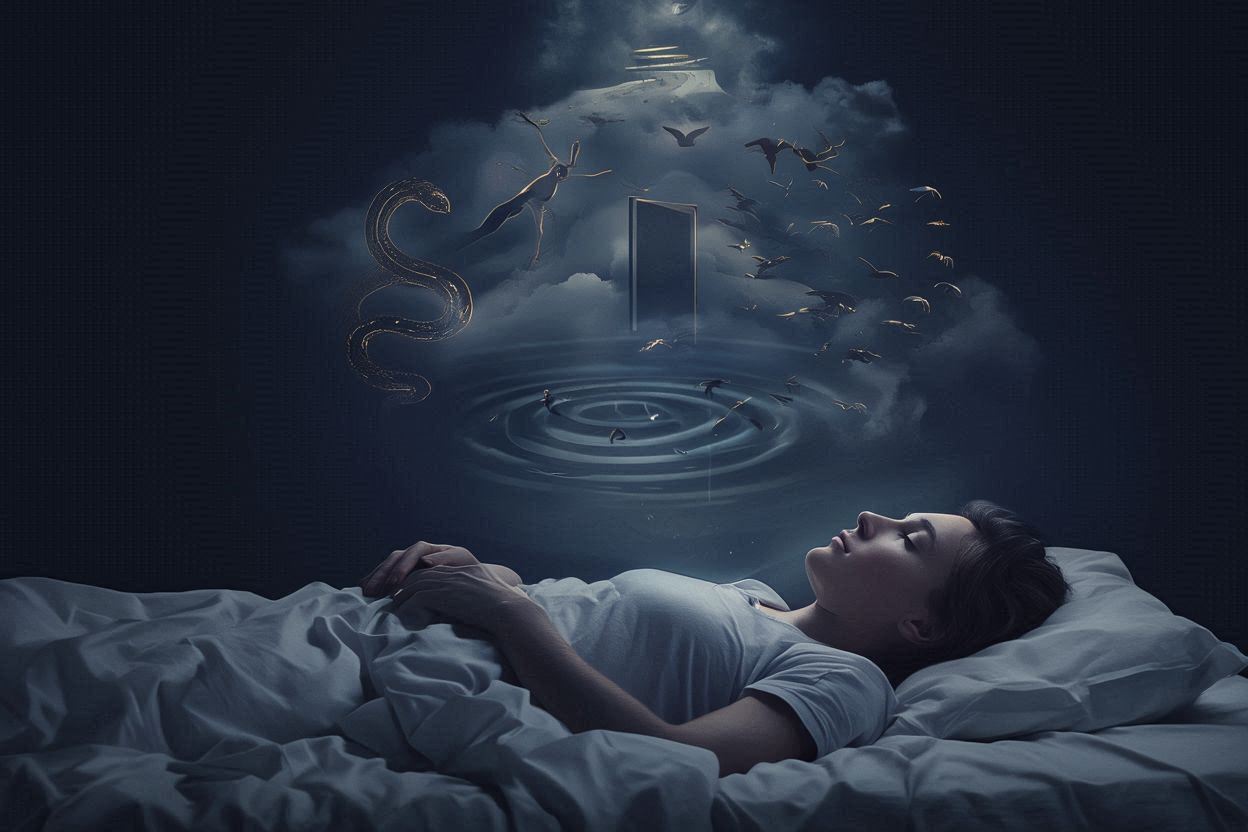
Dreams are one of the most mysterious aspects of the human mind. Every night, our brains create scenes, emotions, and entire stories that can feel vivid, bizarre, or strangely meaningful. But what exactly is happening when we dream? Why do some dreams stick with us while others fade instantly upon waking? In this article, we’ll explore the science, psychology, and symbolism behind why we dream — and what our nightly visions might be trying to tell us.
What Are Dreams?
A dream is a series of images, sensations, and thoughts that occur during sleep, typically during the REM (Rapid Eye Movement) stage. Brain scans show that during REM sleep, the same regions responsible for emotion, memory, and imagination are highly active. Yet, the prefrontal cortex — the part of the brain that governs logic and control — is less active, which explains why dreams often defy logic or natural law.
In scientific terms, dreams are the brain’s way of processing internal and external stimuli while reorganizing information stored throughout the day. However, the exact purpose of this process remains open to interpretation — not purely biological, but potentially psychological and even spiritual.
Why Do We Dream?
The question “Why do we dream?” has many answers depending on the perspective. Scientists, psychologists, and spiritual thinkers have each proposed fascinating explanations. Below are some of the leading theories about why dreams occur.
1. Emotional Processing
Dreams often help regulate and process emotions. When you experience something stressful or exciting, your brain continues to work through that event while you sleep. Dreams can act as an emotional “reset,” allowing unresolved feelings to surface safely and quietly. This might explain why a person grieving or under pressure often experiences vivid or repetitive dreams.
2. Memory Consolidation
During the day, you collect countless small experiences and impressions. While you sleep, your brain sorts through them, deciding what’s worth storing and what can be discarded. Dreams may represent this sorting mechanism in action — a mental process that integrates new information into long-term memory networks.
3. Problem-Solving and Creativity
Ever woken up with a solution to a problem that felt impossible the day before? That’s dream logic at work. The relaxed, nonlinear thinking in dreams allows the brain to make creative associations it wouldn’t normally make while awake. Many artists, inventors, and writers have credited dreams for their breakthroughs.
4. Random Neural Activity
From a purely scientific standpoint, some researchers believe dreams are the result of random electrical activity that the brain tries to make sense of. In this view, the mind constructs stories around spontaneous neural firing, weaving meaning where there is none. Even so, your interpretation of these images can still reveal deep truths about your current frame of mind.
Psychological Meaning of Dreams
From a psychological perspective, dreams reveal hidden emotions, desires, and anxieties that might not be fully expressed in daily life. Carl Jung described dreams as messages from the unconscious — symbolic stories that connect the waking “ego” with deeper parts of the psyche.
For example, dreaming of being chased may signal avoidance or inner conflict. A dream of flying could represent freedom or a need to rise above limitations. By decoding these patterns, psychologists often help people confront issues they may not consciously recognize.
Dreams as Mirrors of the Mind
Dreams can mirror your mental state. If you’re under stress, dreams may become more chaotic. If you feel secure, they may take calmer or more creative forms. Your recurring dreams often highlight unresolved problems or habits your subconscious wants you to address.
Spiritual and Symbolic Meaning
Beyond psychology, many people view dreams as spiritual or symbolic experiences. In various cultures, dreams have been interpreted as guidance from ancestors, deities, or the higher self. Whether or not one holds spiritual beliefs, there is no denying that some dreams feel profoundly meaningful.
Symbolism plays a huge role here. Water may symbolize purification or emotional depth, while fire might represent transformation or anger. The interpretation often depends on your personal experiences and emotions associated with these images.
Some traditions also distinguish between ordinary dreams and “lucid dreams” — moments when you become aware you’re dreaming and can influence the story. Lucid dreaming is often described as a gateway to higher awareness or a tool for self-discovery.
Common Dream Types and Scenarios
Although every dream is unique, many people report similar themes throughout their lives. Below are a few recurrent dream types and their possible meanings.
- Falling dreams: Often linked to anxiety, insecurity, or loss of control in your waking life.
- Flying dreams: Associated with freedom, ambition, or escaping limitations.
- Being chased: Common in times of stress or denial; it can reflect avoidance of a problem.
- Losing teeth: Symbolizes fear of aging, loss of power, or communication struggles.
- Dreams about animals: Each animal carries its own symbolic meaning. For example, dreaming of a dog might reflect loyalty or protection, while a snake can symbolize transformation or hidden fears.
These interpretations aren’t universal, but they offer helpful clues. To truly understand a dream, you must consider your personal emotions and context surrounding it.
Practical Dream Interpretation Tips
You don’t need to be a psychologist to start decoding your dreams. Here are simple strategies anyone can apply:
- Keep a dream journal. Write down your dreams as soon as you wake up. Even brief notes help capture recurring themes or symbols over time.
- Look for emotional patterns. Focus less on literal events and more on how each dream made you feel. Emotions are often the clearest guide.
- Consider your waking life. Dreams reflect what’s happening internally. Connect your recent events, stressors, or wishes to your dream imagery.
- Be open, not rigid. Avoid forcing interpretations. Let meanings reveal themselves naturally through reflection and journaling.
- Explore connections. Compare similar dream themes such as falling, water, or flying to gain broader insights.
FAQ: Common Questions About Dreams
1. Is it normal to forget my dreams?
Yes, most people forget the majority of their dreams. Dreams fade quickly because short-term memory doesn’t always transfer dream details into long-term storage. Writing them down right after waking can help preserve them.
2. Why are some dreams so vivid or emotional?
Dreams involving strong emotions often occur during deep REM cycles, when the limbic system — the brain’s emotional center — is highly active. Emotional dreams reflect powerful psychological processing taking place during sleep.
3. Can dreams predict the future?
There’s no scientific proof that dreams foresee future events. However, intuitive or symbolic dreams can sometimes “predict” how we might act or feel based on subconscious knowledge — not literal foresight, but heightened awareness.
4. What causes nightmares?
Nightmares can result from stress, trauma, medications, or even poor sleep habits. They serve as signals that your mind is working through unresolved fears or anxiety.
5. What’s the difference between a dream and a lucid dream?
In a lucid dream, you become aware that you’re dreaming and can often control the environment or storyline. This state occurs when parts of the conscious mind activate while the body remains asleep.
Conclusion
Dreams are far more than random mental noise — they’re reflections of our deepest emotions, memories, and inner dialogues. By exploring why we dream, we begin to understand not only the workings of the sleeping mind but also the language of the soul. Whether viewed through science, psychology, or spirituality, dreaming is a vital process that connects our conscious and unconscious selves.
If you’d like to explore further, discover what it means to dream about dogs, snakes, or falling. Each type opens another door into the language of the subconscious — and ultimately, into understanding yourself more deeply.





Post Comment